A lab is a lot like a kitchen.
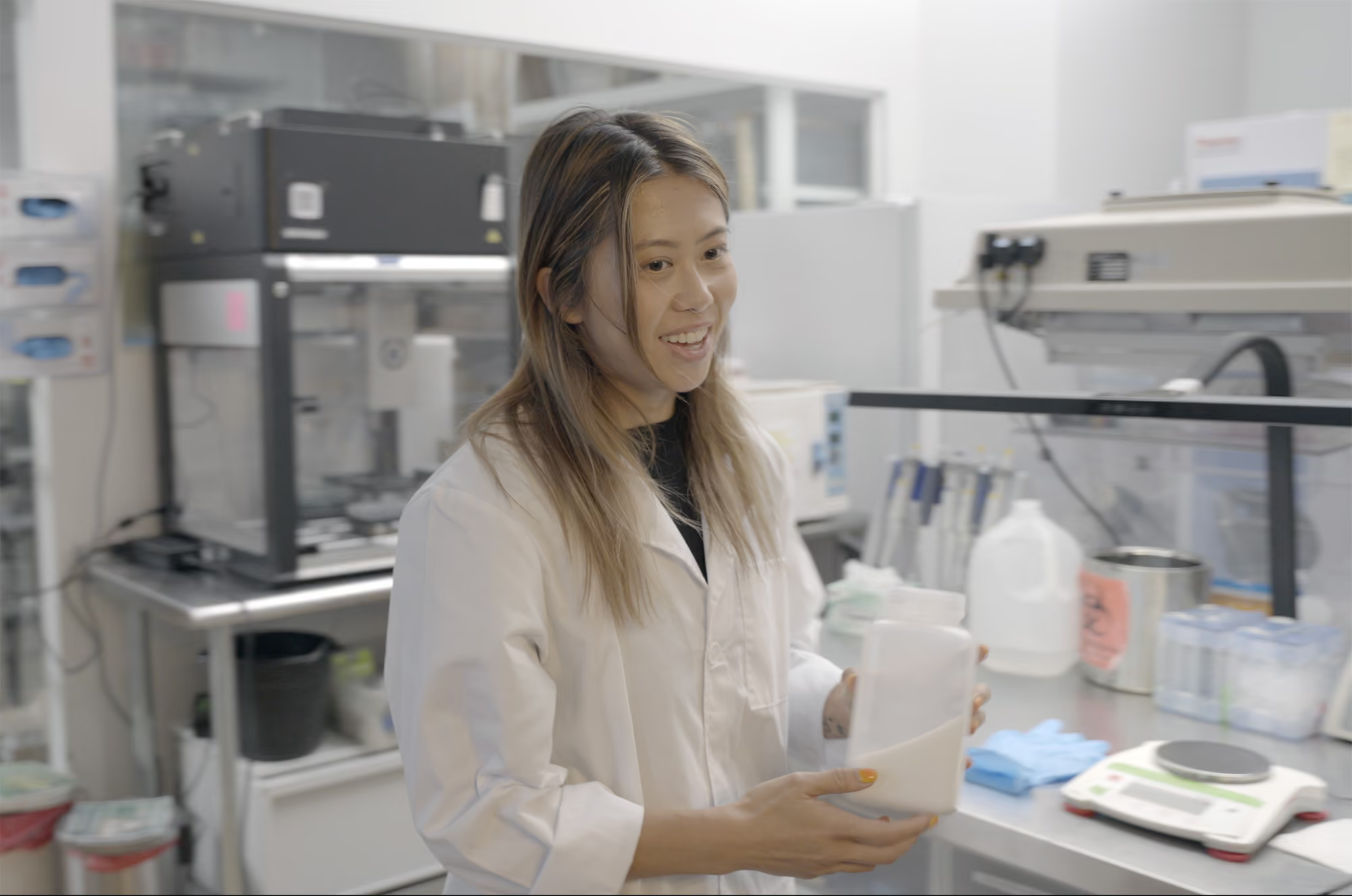
That's not just a metaphor. Biotech grew up in the kitchen. People were using yeast to make bread and beer, and bacteria to make yoghurt and cheese, long before anyone knew what a microbe was. Agar, the jelly microbiologists grow cultures on, was a cooking ingredient first. In the 1880s, Fanny Hesse suggested it to her husband's lab after using it to set jellies at home.The way we work is still much the same. You follow a recipe. You measure, mix, heat and wait. And you can only cook with what's in the fridge and the cupboard.
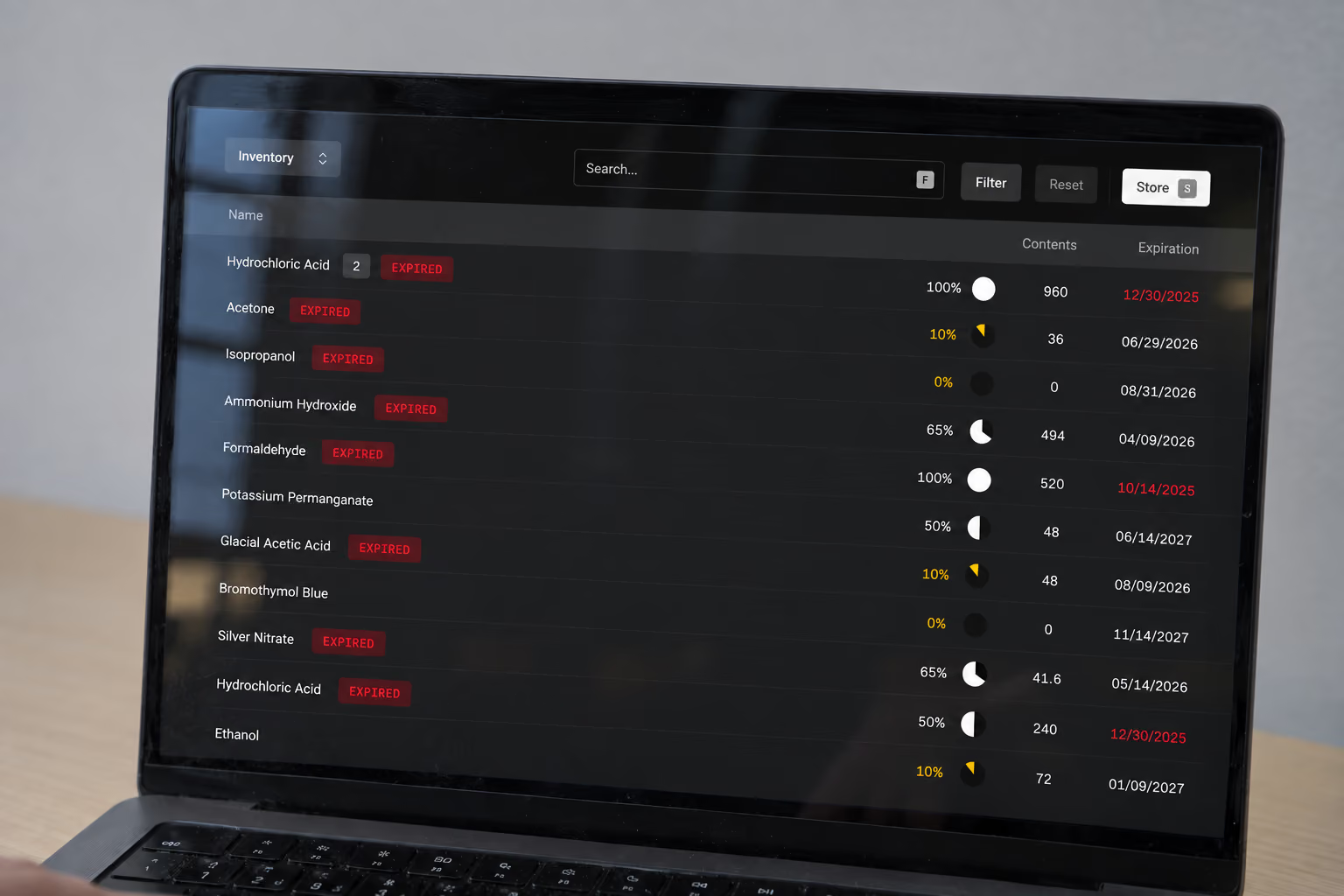
You need to know what's in the fridge.
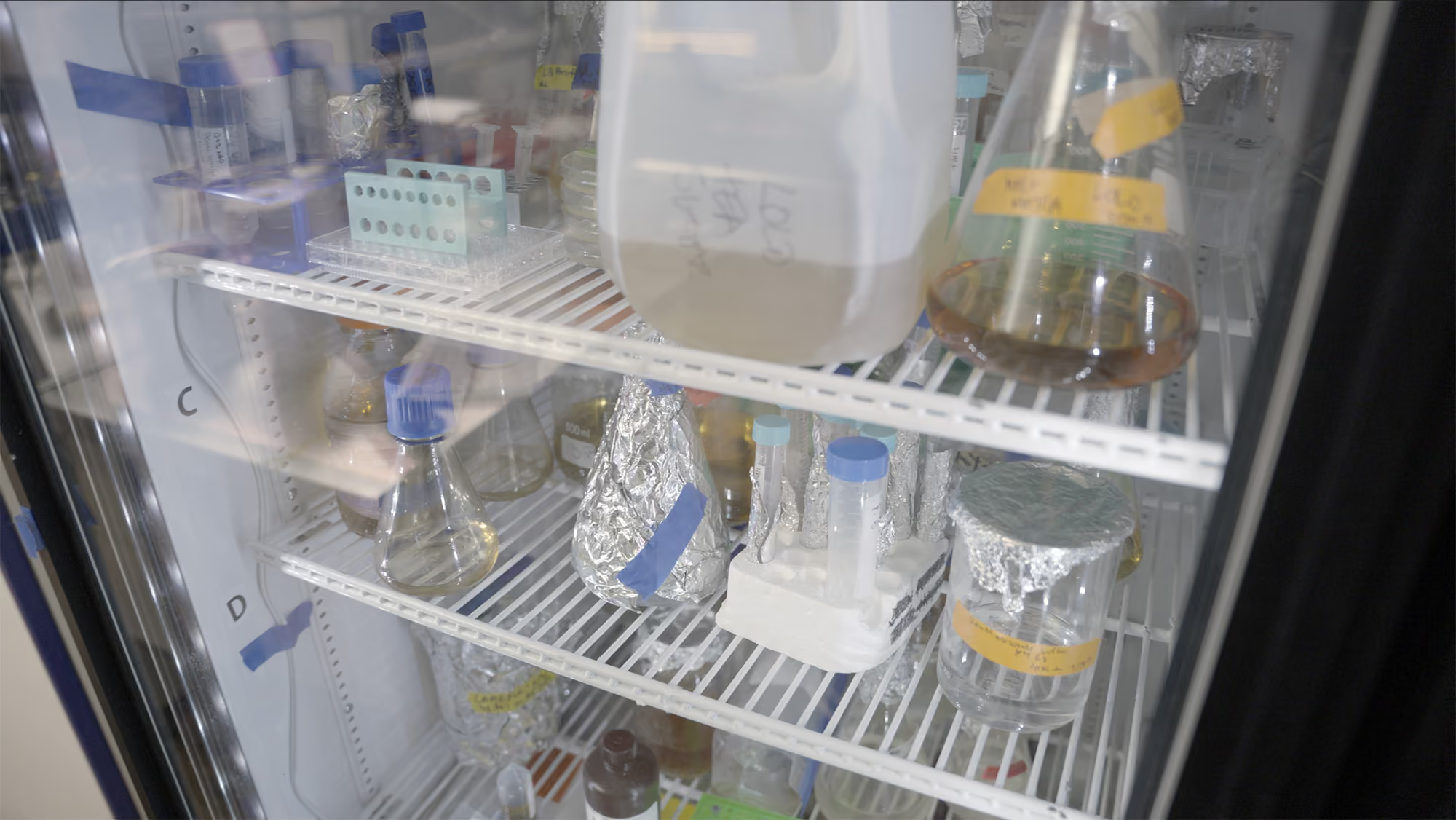
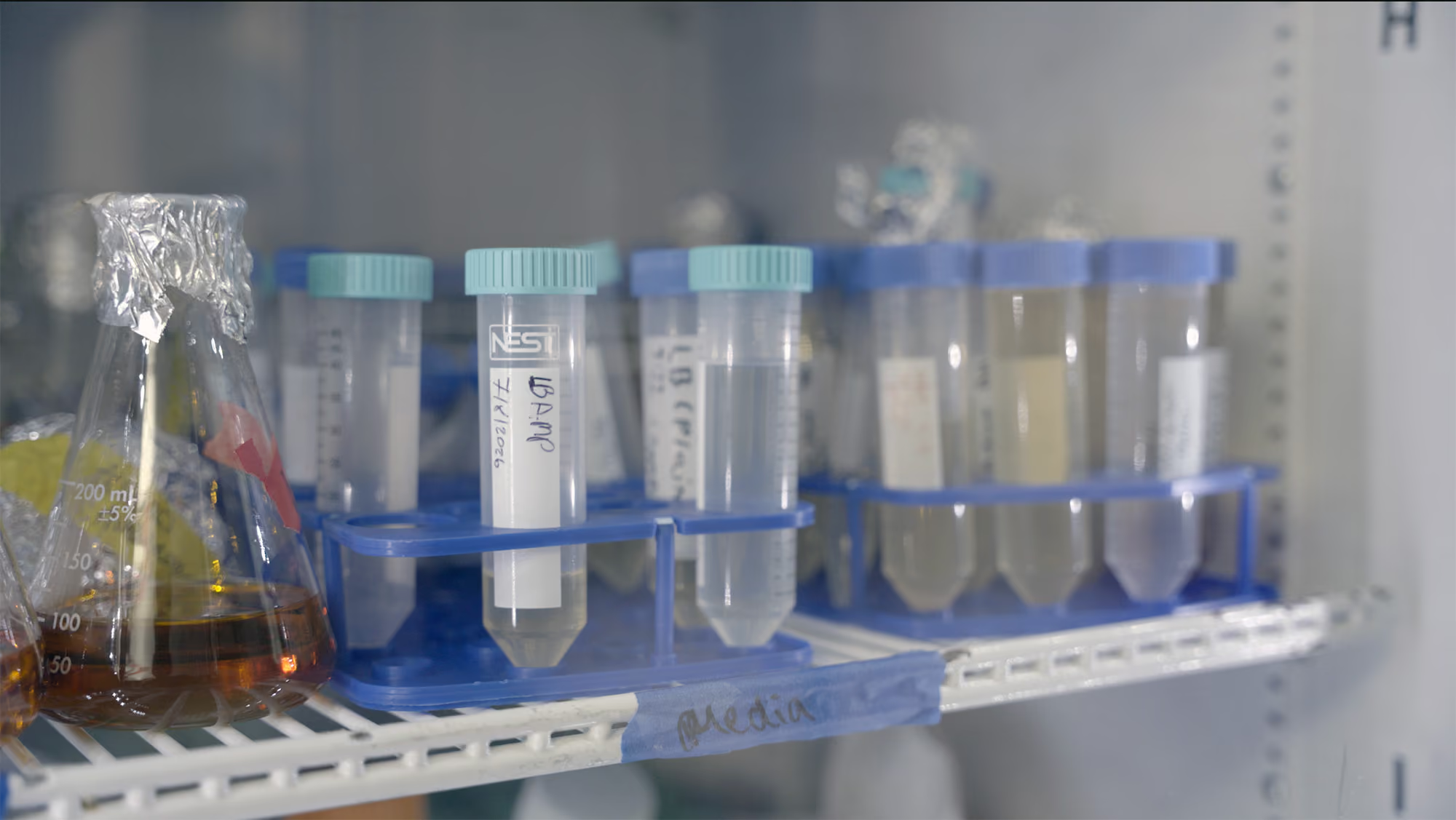
Every recipe starts with the same question: do we have what we need? At home, you open the fridge and look. In a lab shared by dozens of people, with thousands of tubes, bottles and plates, it's not that simple. Things run out without anyone noticing. Someone moved the box. Nobody is sure what's left. A surprising amount of lab time goes into finding things before any science can begin.
Everything needs to be within reach.
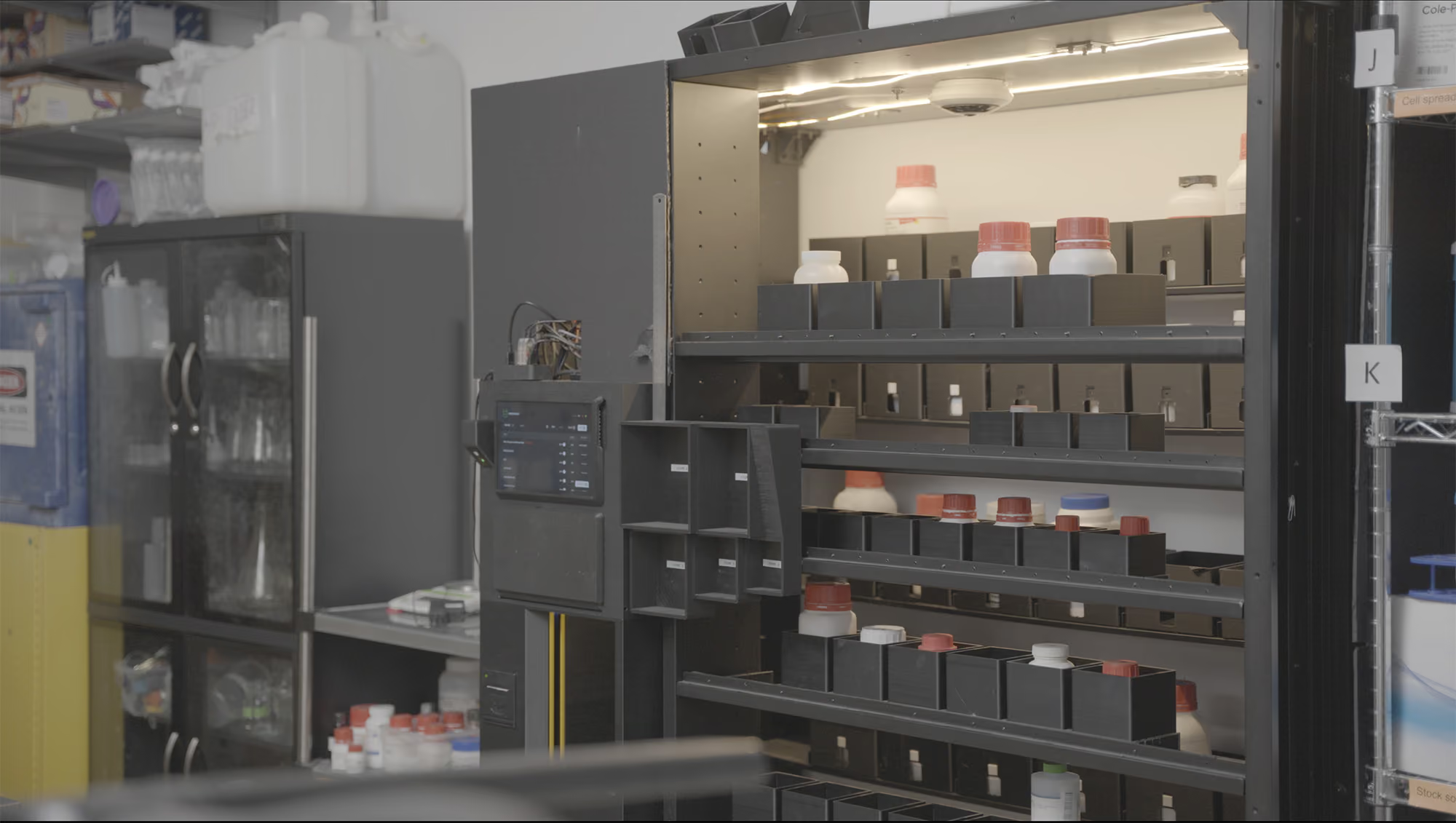
A hundred years ago, architect Margarete Schütte-Lihotzky asked why making a meal took so much walking. She measured the steps people took between cupboard, sink, worktop and stove, then redesigned the kitchen so everything sat close to where it was needed. The Frankfurt Kitchen, introduced in 1926, shaped how kitchens have been designed ever since.This year, it turns 100. Most labs still haven't had their Frankfurt Kitchen moment. Benches, fridges and storage are often spread across the room, and people spend their day walking between them.We think labs should build up, not out. Storage should stand right next to the work, not down the corridor.
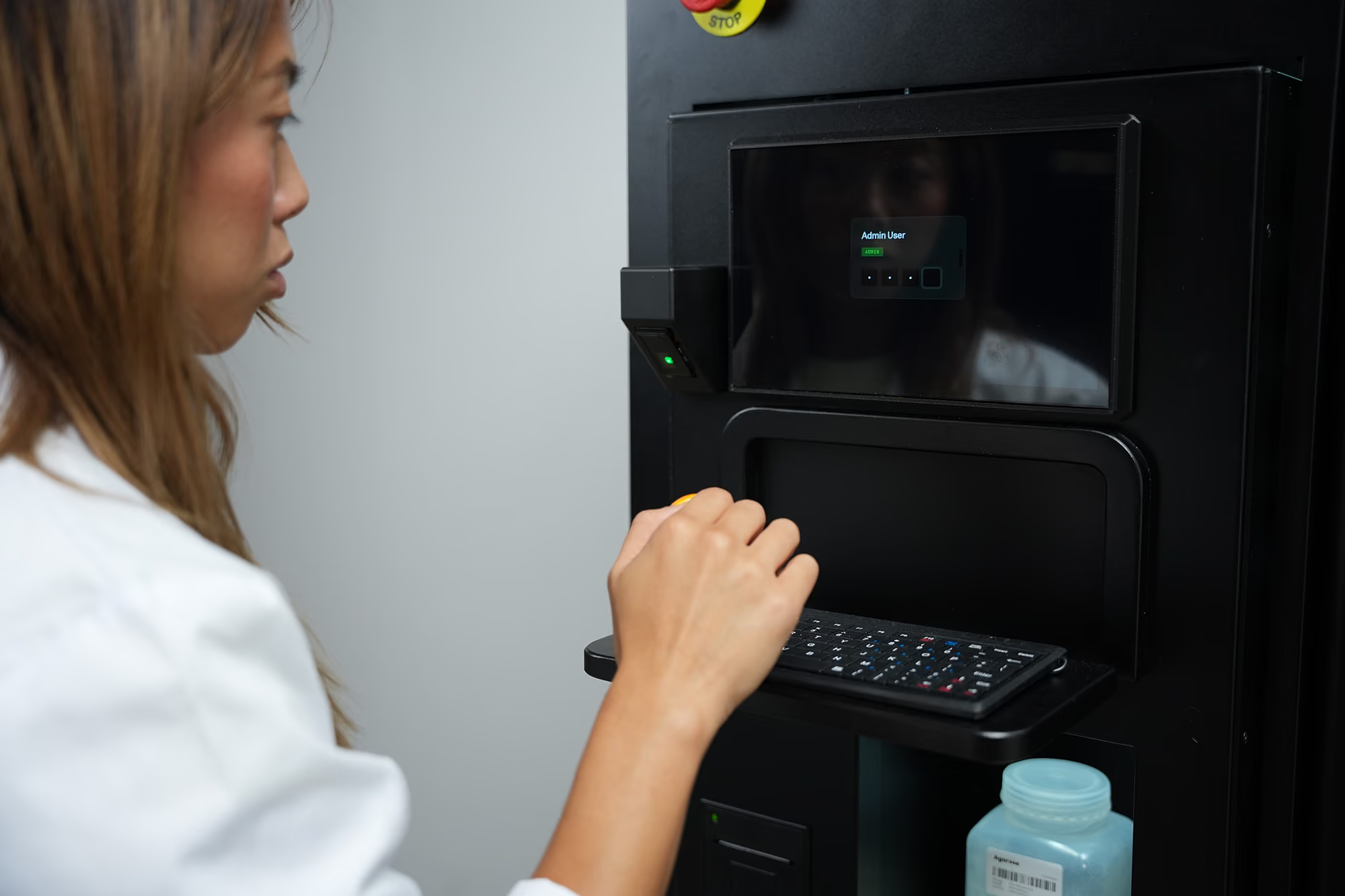
That's what Oscar does.
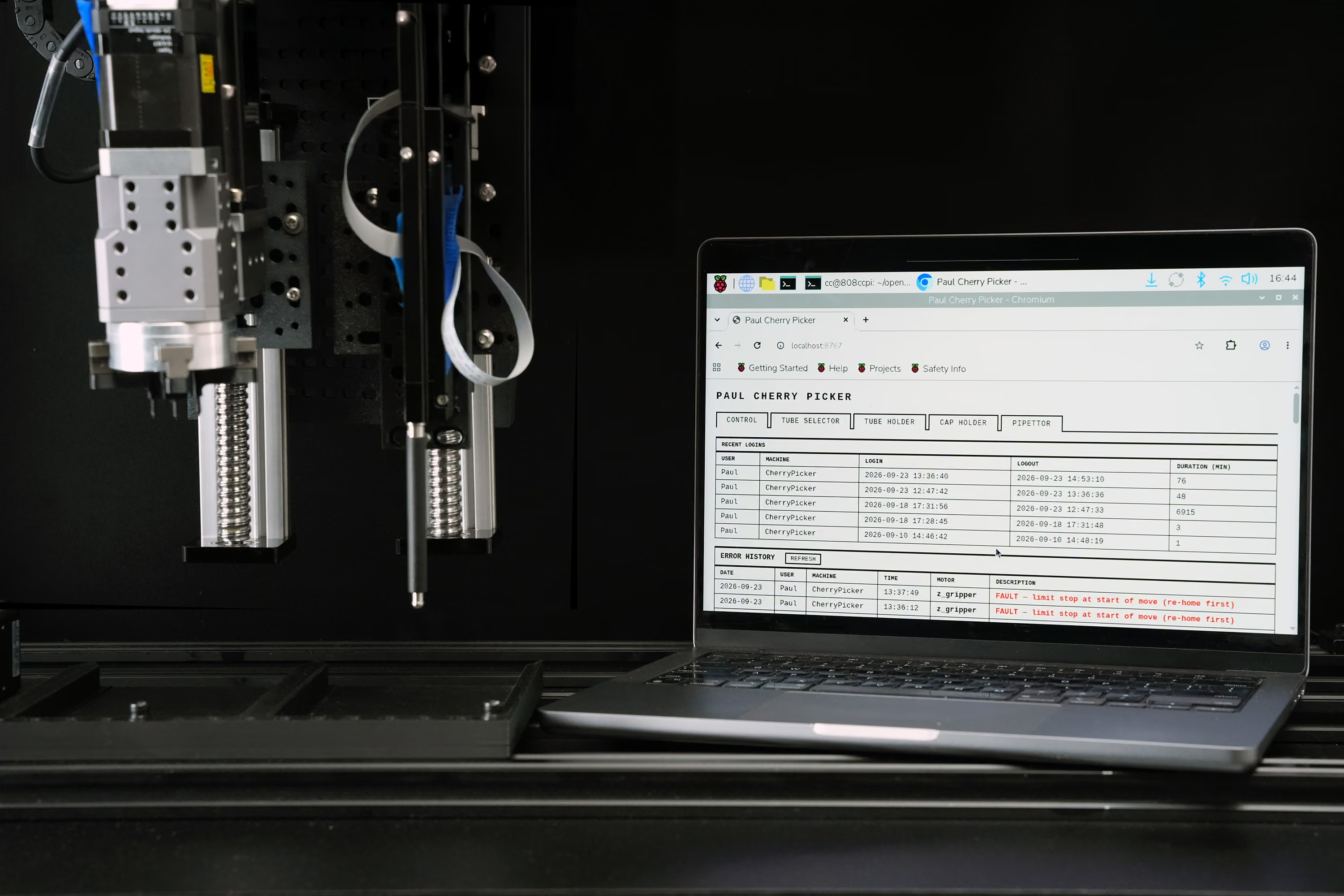
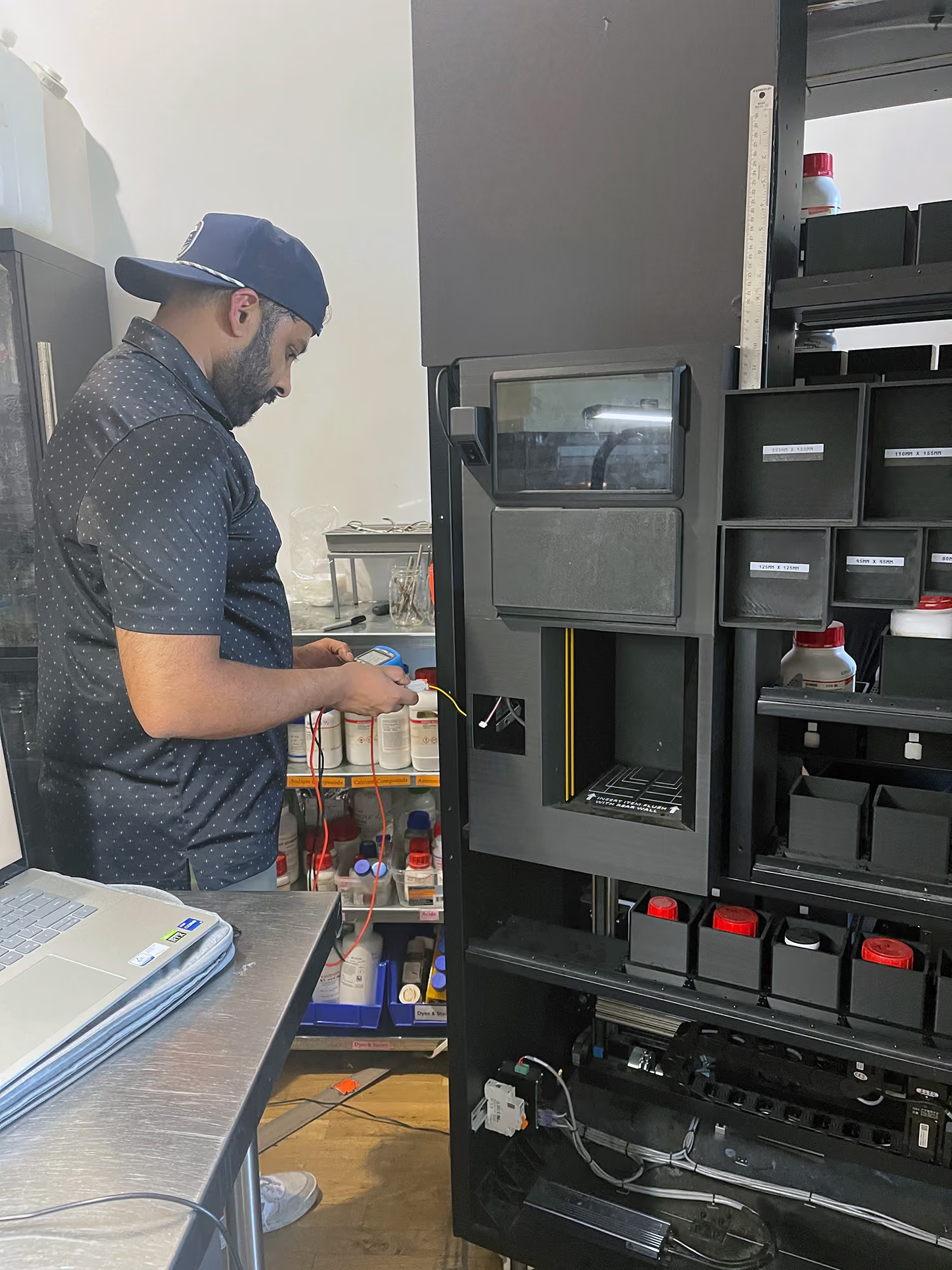
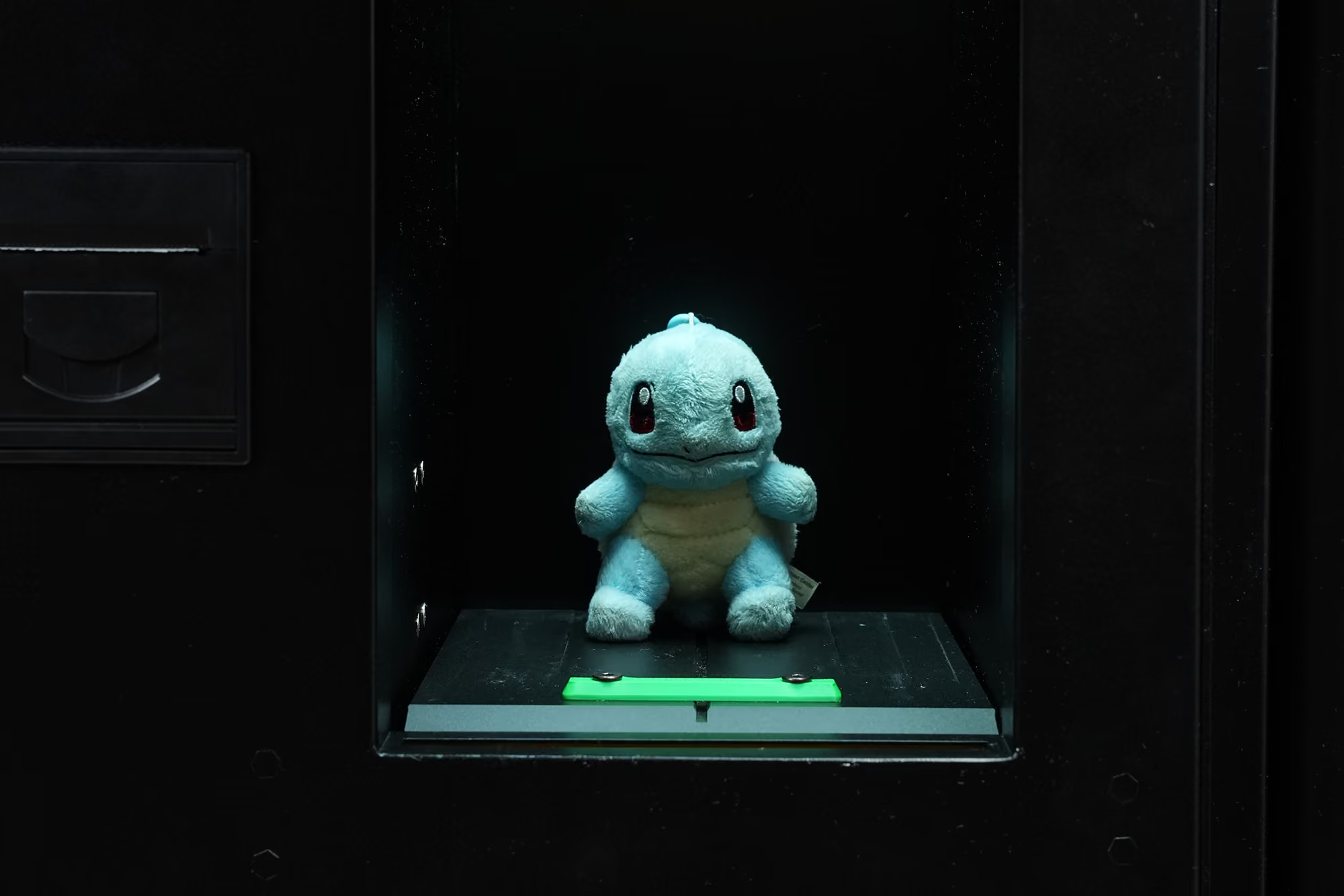
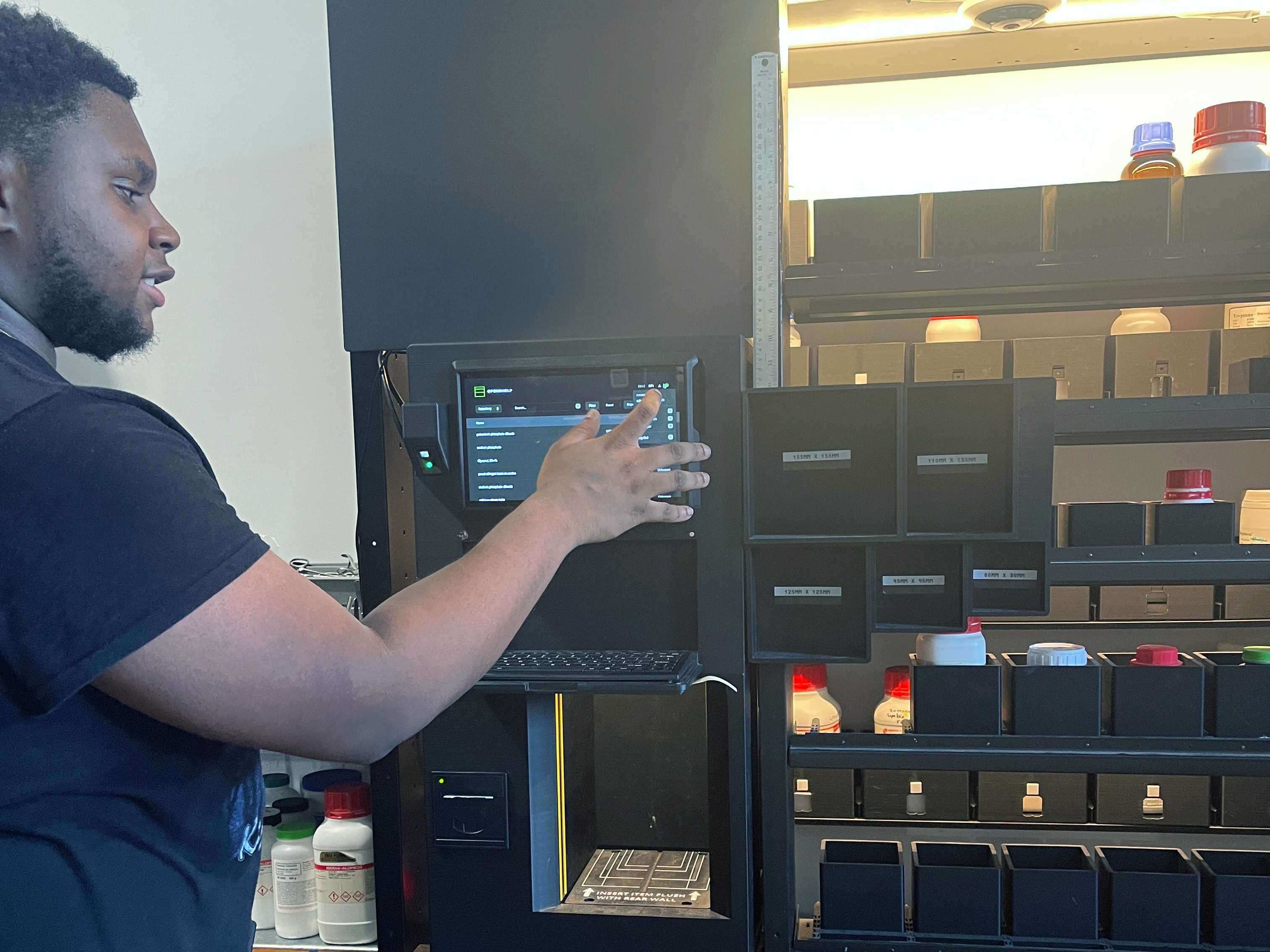
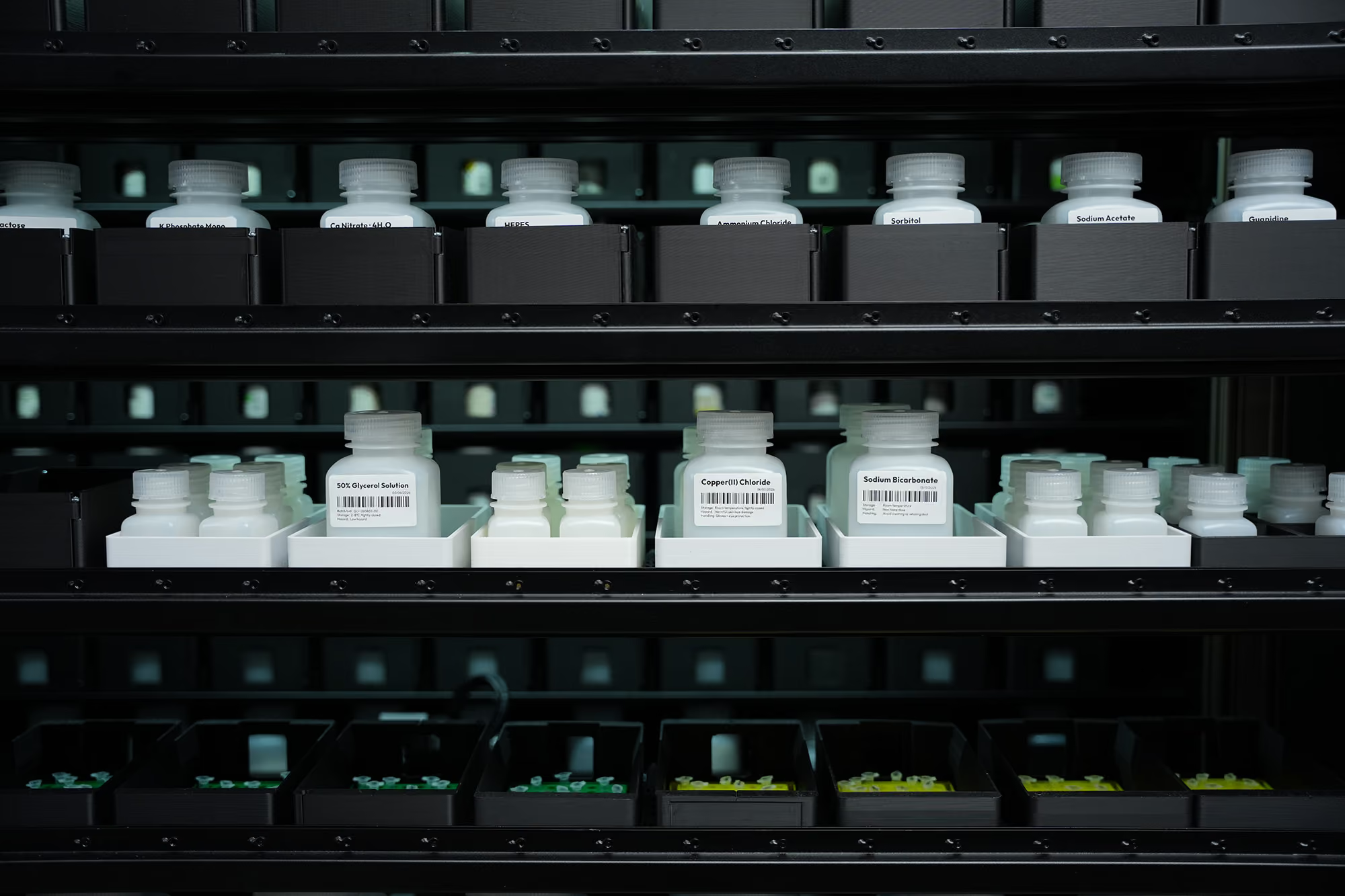
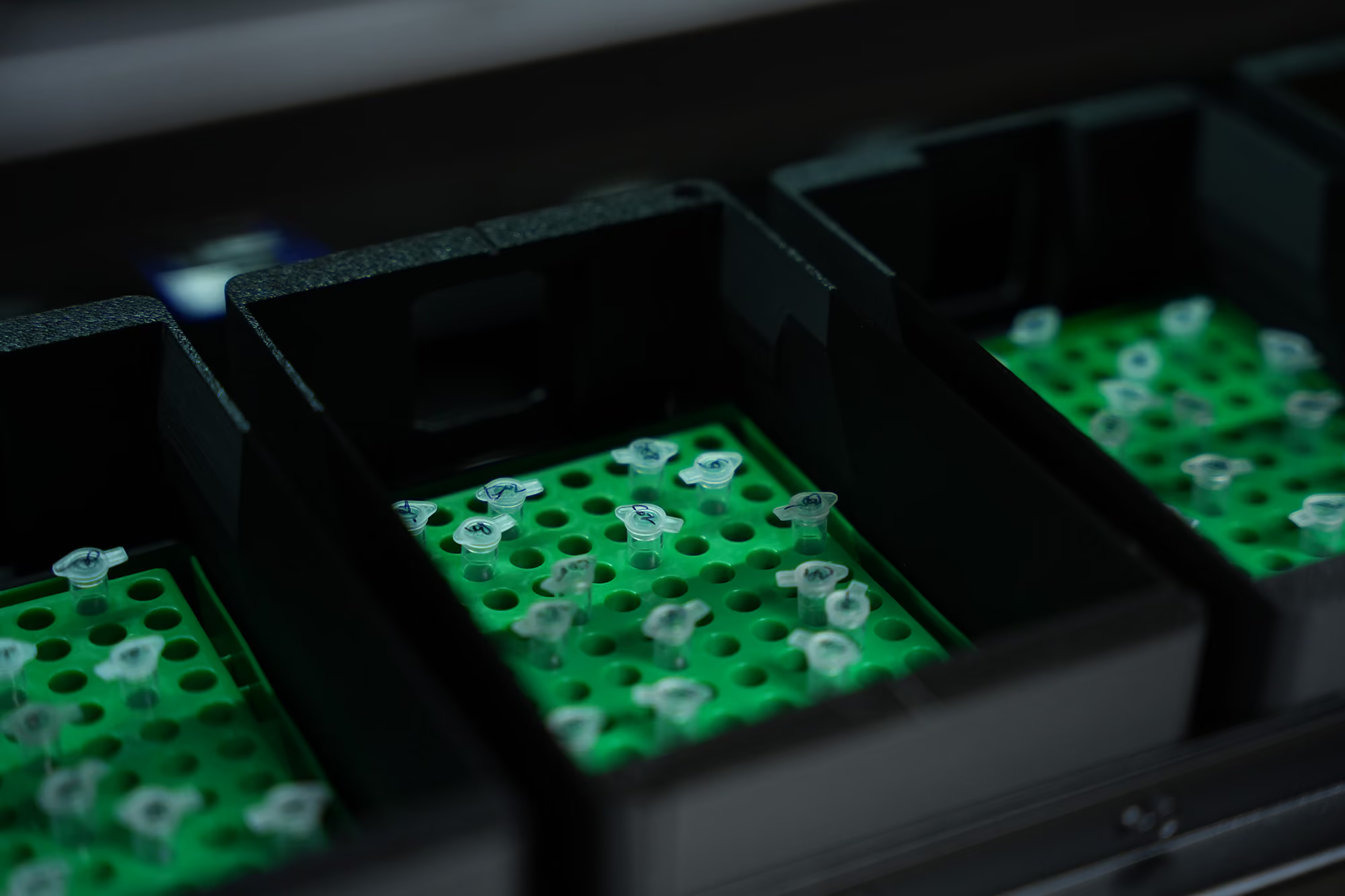
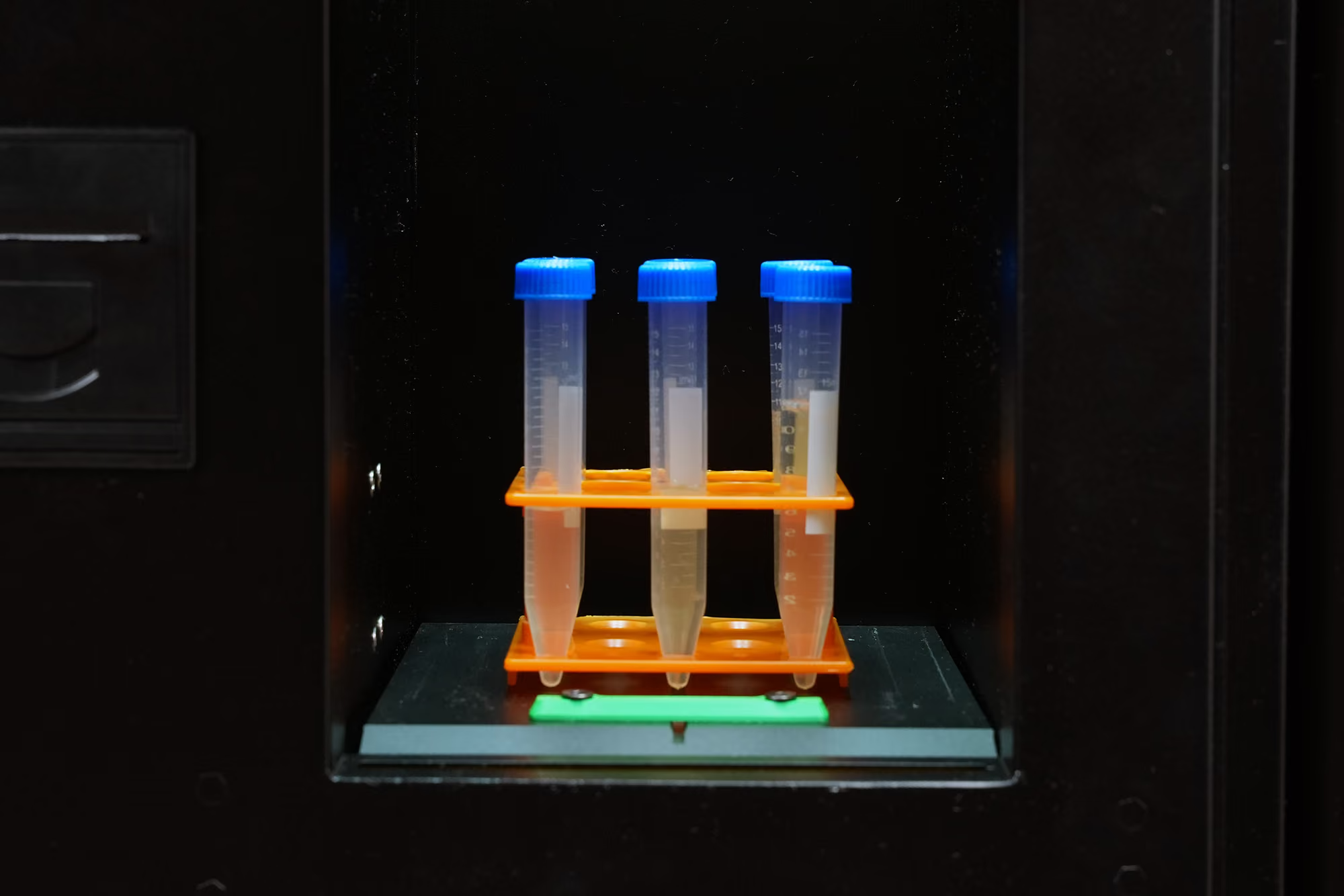
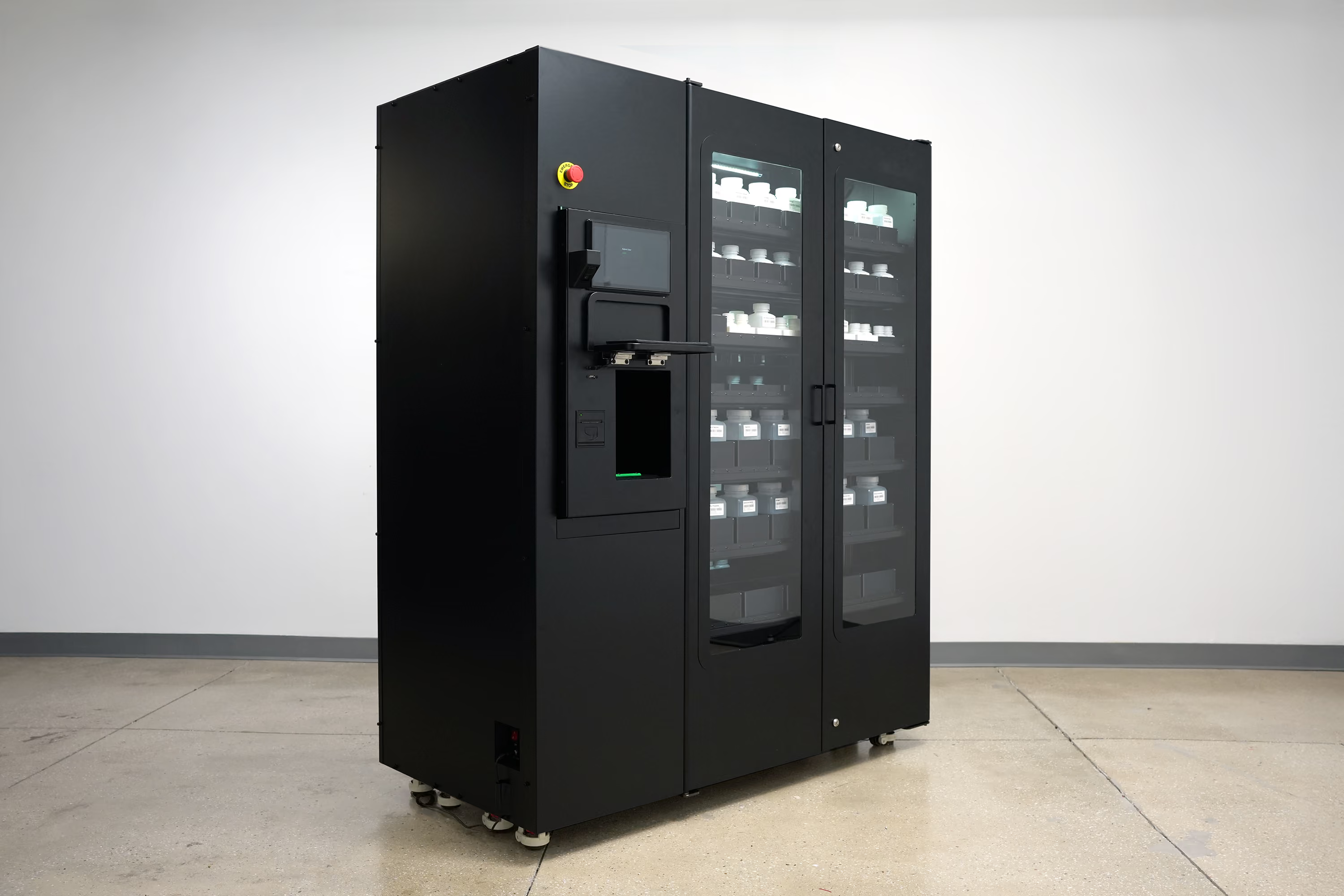
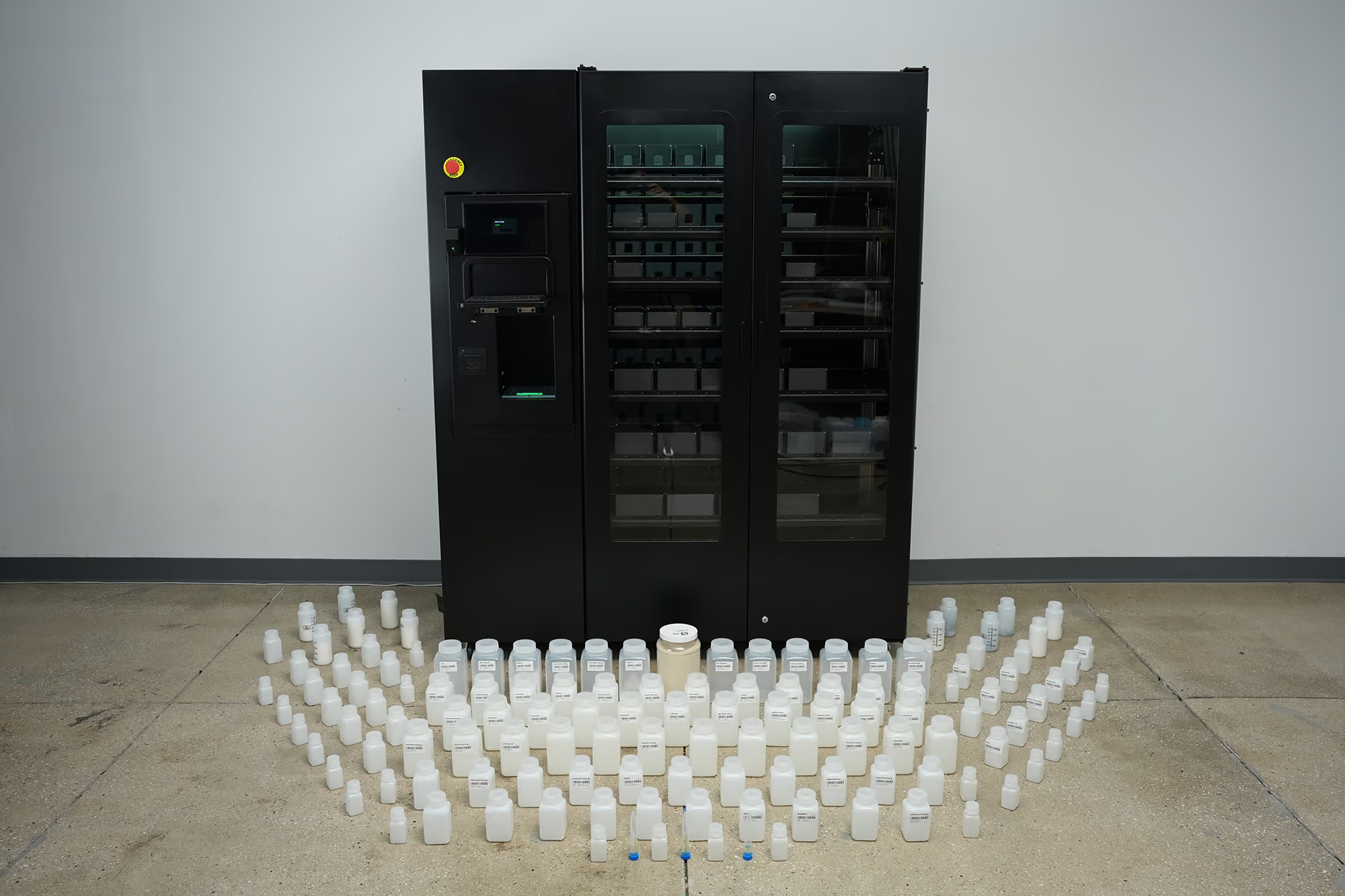
Think of Oscar as the fridge and pantry that knows what's inside. It keeps track of your ingredients, so you always know what you can make. And like a good kitchen assistant, it can have them ready when you start cooking, so you can spend your time on the recipe instead of the search.
Open, like a good kitchen.
The best kitchens aren't closed systems. Recipes get shared, adapted and passed on. You can bring in a new appliance, rearrange the shelves or swap an ingredient without rebuilding the whole room.We want labs to work the same way. That's why Openshelf is open source. You can see how it works, fit it to your own lab, and build new tools on top of it. Share what works, improve on what doesn't.The future of the lab isn't about making it look futuristic. It's about making it work better, starting with what's in the fridge.

.jpeg)

